
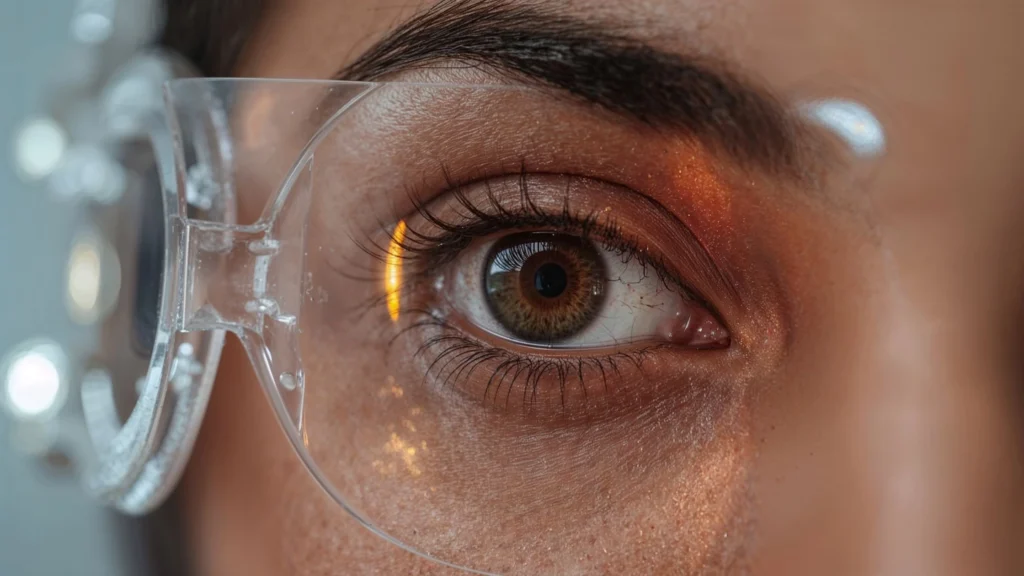
Laser Eye Treatment has become one of the most trusted and modern solutions for correcting vision problems. For people who are tired of wearing glasses or contact lenses every day, this treatment offers a long-lasting and highly effective way to improve eyesight. Over the past decade, laser technology has advanced rapidly, making the procedure safer, faster, and more accurate than ever before. At ReliveCure, our focus is to provide clear, reliable, and easy-to-understand information so you can make confident health decisions.
This detailed guide explains what Laser Eye Treatment is, how it works, who it is suitable for, its benefits, risks, cost factors, and everything you need to know before choosing the procedure.
What Is Laser Eye Treatment?
Laser Eye Treatment is a medical procedure that reshapes the cornea—the transparent front layer of the eye—to correct vision problems such as nearsightedness, farsightedness, and astigmatism. When the cornea has an irregular shape, light does not focus correctly on the retina, resulting in blurred vision. Laser technology corrects this refractive error with precision, allowing the patient to see clearly without glasses.
The treatment is quick, safe, and minimally invasive. Most people experience significant improvement in vision within 24 hours and enjoy long-term benefits for years.
Types of Laser Eye Treatments
Different laser techniques are used depending on the condition of the patient’s eyes. Understanding these options helps you choose the right method.
LASIK (Laser-Assisted In Situ Keratomileusis)
LASIK is the most common and popular type of Laser Eye Treatment. It involves creating a thin flap on the cornea, reshaping it using an excimer laser, and placing the flap back. Recovery is fast, and most patients see clearly within a few hours.
PRK (Photorefractive Keratectomy)
In PRK, no corneal flap is created. The surface layer of the cornea is removed and reshaped using a laser. This technique is suitable for people with thin corneas. Recovery takes slightly longer than LASIK, but results are equally effective.
SMILE (Small Incision Lenticule Extraction)
SMILE is a bladeless, flapless technique where a small incision is made in the cornea, and a tiny tissue disc is removed. It provides excellent stability, less dryness, and faster healing.
Contoura Vision
Contoura Vision is an advanced, topography-guided LASIK treatment. It provides customized correction based on unique corneal mapping, resulting in sharper visual clarity.
How Laser Eye Treatment Works
Laser Eye Treatment follows a structured and precise medical process:
Step 1: Pre-Evaluation
A complete eye examination is done to check corneal thickness, eye power, dryness level, and overall eye health. This ensures that the patient is fit for the treatment.
Step 2: Corneal Mapping
Advanced machines create a 3D map of the cornea. This helps the surgeon plan the exact areas that require reshaping.
Step 3: Laser Reshaping
During the procedure, the laser is used to remove microscopic tissue from the cornea. This reshaping corrects the refractive error, allowing light to focus accurately on the retina.
Step 4: Healing Phase
The eye begins to heal immediately. Most patients achieve functional vision within a few hours to a few days, depending on the type of treatment.
Who Is the Right Candidate for Laser Eye Treatment?
Laser Eye Treatment is suitable for many people, but not for everyone. You may be a good candidate if:
- You are 18 years or older.
- Your vision power has remained stable for at least one year.
- Your cornea is thick enough for laser reshaping.
- You have no major eye disease such as glaucoma or cataract.
- You are not pregnant or breastfeeding.
People with very dry eyes, thin corneas, autoimmune diseases, or severe vision instability may not be suitable. A proper eye check-up is essential for accurate assessment.
Benefits of Laser Eye Treatment
Laser Eye Treatment offers numerous advantages that make it a preferred choice worldwide.
- Quick and Safe: The procedure usually takes 10–15 minutes per eye and is performed using advanced computer-guided laser systems.
- Fast Recovery: Most patients return to normal activities within a day. Vision clarity improves quickly and continues to get sharper during the recovery period.
- Long-Term Results: Laser Eye Treatment permanently reshapes the cornea, giving long-term stability for many years.
- Freedom from Glasses: One of the biggest benefits is the freedom and comfort of living without glasses or contact lenses.
- Minimal Pain: The procedure is almost painless. Numbing drops are used, and patients may feel only mild pressure for a few seconds.
Risks and Side Effects
Although Laser Eye Treatment is very safe, like any medical procedure, it carries minimal risks. Understanding them helps patients make informed decisions.
- Temporary Dry Eyes: Some patients experience dryness after the procedure. This usually gets better with eye drops and time.
- Light Sensitivity: Glare or halos around lights may appear for a few days, especially at night.
- Rare Complications: Issues like infection, flap complications (in LASIK), or under-correction can occur, but modern technology has reduced these risks significantly.
Choosing an experienced surgeon and advanced technology greatly minimizes complications.
Cost of Laser Eye Treatment in India
The cost of Laser Eye Treatment varies depending on:
- City and clinic location
- Technology used
- Surgeon’s experience
- Type of treatment (LASIK, SMILE, Contoura Vision, PRK)
- Pre- and post-care facilities
In India, the average cost ranges:
- LASIK: ₹25,000 – ₹60,000 per eye
- SMILE: ₹60,000 – ₹1,00,000 per eye
- Contoura Vision: ₹45,000 – ₹90,000 per eye
Prices may differ, and many clinics offer EMI options.
Before and After Care Tips
Proper care enhances the success of Laser Eye Treatment and speeds up recovery.
Before Treatment
- Avoid wearing contact lenses for at least one week.
- Do not use eye makeup before the procedure.
- Get enough sleep and stay hydrated.
After Treatment
- Use prescribed eye drops regularly.
- Avoid rubbing your eyes.
- Protect your eyes from dust and sunlight.
- Avoid swimming for at least two weeks.
- Attend follow-up appointments for accurate recovery tracking.
Following these steps ensures smooth healing and excellent vision results.
Latest Technologies in Laser Eye Treatment
Modern eye clinics use advanced, AI-enabled machines that increase accuracy and safety. Some major innovations include:
- Femtosecond Laser: Used to create precise corneal flaps without blades.
- Topography-Guided Laser: Provides individualized treatment, improving sharpness and clarity.
- Wavefront Technology: Reduces visual imperfections and offers HD-like vision.
- Flapless SMILE: Minimizes dryness and promotes faster tissue healing.
These advancements have made Laser Eye Treatment more refined than ever before.
How to Choose the Right Eye Surgeon
A successful Laser Eye Treatment depends greatly on the surgeon performing it. Consider these factors:
- Experience and credentials
- Availability of advanced technology
- Patient reviews and testimonials
- Hygiene and safety standards
- Transparent pricing and pre-counseling
Choosing a qualified specialist ensures safer treatment and better results.
Conclusion
Laser Eye Treatment is one of the most effective and reliable solutions for correcting vision and reducing the dependency on glasses or contact lenses. With modern technology, quick recovery, and long-lasting results, this procedure has transformed the lives of millions. At ReliveCure, our mission is to educate and guide you so you can make the best decision for your eye health.
If you are considering Laser Eye Treatment, the next step is a detailed eye evaluation. The sooner you take the step, the closer you are to experiencing clearer, sharper vision.